Introduction
Your website is one of the hardest-working assets your business owns. It introduces your brand, answers customer questions, showcases your products or services, and often influences whether someone chooses to contact you or move on to a competitor.
Many businesses invest in a website simply because they know they need one. Unfortunately, not every website is designed to achieve business goals. A visually appealing website is important, but appearance alone won't generate enquiries or sales.
A great business website combines thoughtful design with functionality, speed, and a user-friendly experience. It should guide visitors naturally toward taking action, whether that's requesting a quote, booking a consultation, or making a purchase.
In this guide, we'll look at the essential features that separate average websites from those that consistently deliver results.
Today's customers expect businesses to have a professional online presence.
Before making a purchase or contacting a company, many people will:
- Search your business on Google
- Visit your website
- Read about your services
- Check customer reviews
- Compare you with competitors
Your website often becomes your first opportunity to make a positive impression.
A well-designed website builds confidence before a conversation even begins.
Every successful website starts with a clear goal.
Ask yourself:
- Do you want more enquiries?
- Are you selling products?
- Are you accepting bookings?
- Do you want people to call your office?
- Are you educating visitors through blogs?
Understanding your objective helps shape every page on your website.
Visitors form opinions about a website within seconds.
A clean, modern design communicates professionalism and trust.
Professional design includes:
- Consistent colours
- Easy-to-read fonts
- High-quality images
- Plenty of white space
- Organized layouts
A cluttered website can overwhelm visitors and make important information difficult to find.
More people browse the internet on smartphones than ever before.
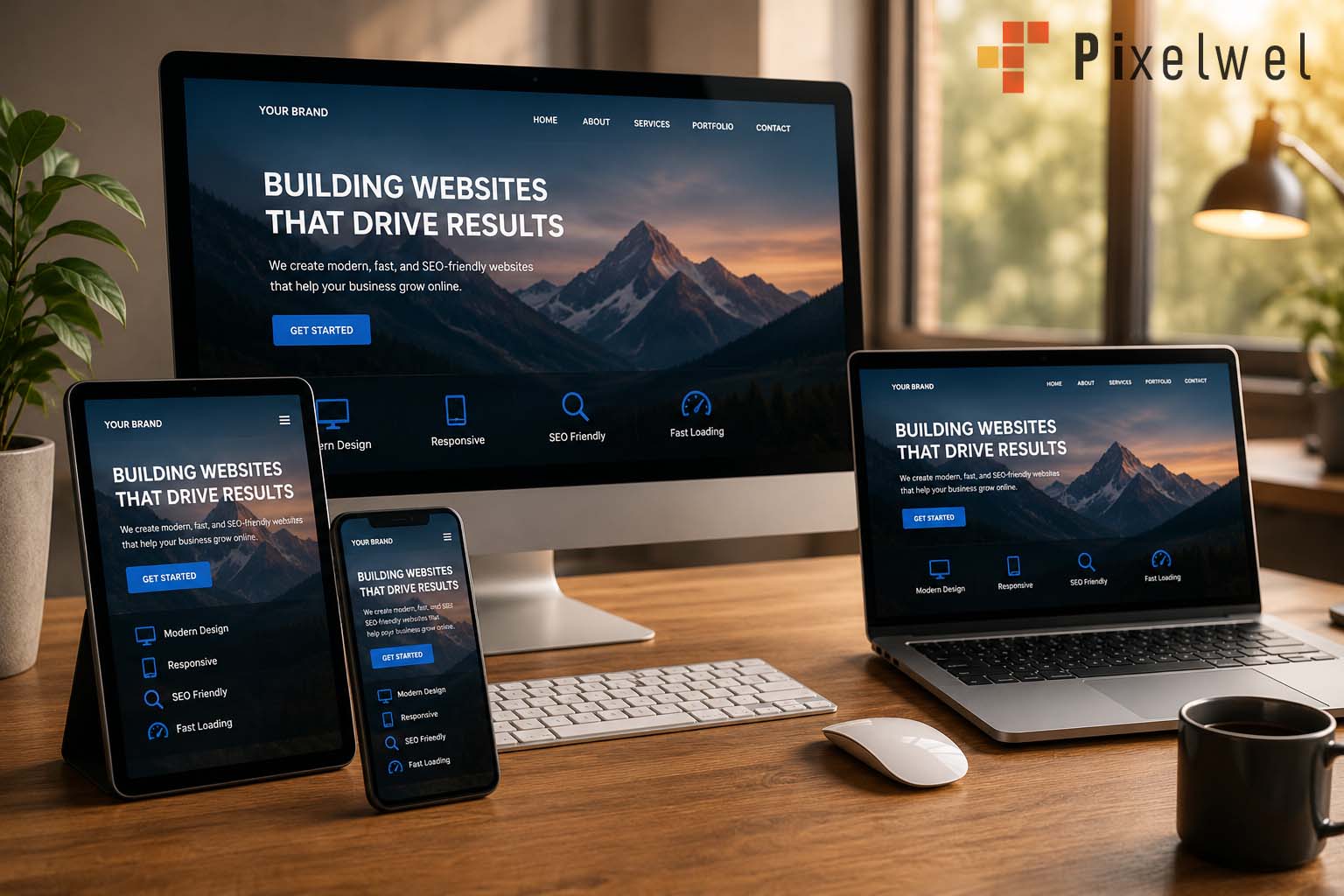
A mobile-friendly website automatically adjusts to different screen sizes, ensuring visitors enjoy a smooth experience whether they're using a phone, tablet, or desktop computer.
If customers need to zoom, scroll sideways, or struggle to click buttons, they're likely to leave.
People expect websites to load quickly.
A slow website can lead to:
- Higher bounce rates
- Lower search rankings
- Lost enquiries
- Frustrated visitors
Simple improvements like optimized images, reliable hosting, and clean code can make a significant difference in performance.
Visitors should never have to guess where to find information.
Good navigation means:
- Clear menus
- Logical page structure
- Simple labels
- Visible contact information
The easier your website is to use, the more likely visitors are to stay.
A website should guide visitors toward the next step.
Effective calls to action might include:
- Request a Quote
- Contact Us
- Schedule a Consultation
- Get Started
- View Our Services
Without clear direction, visitors may leave without taking any action.
Your website should answer the questions customers are already asking.
Helpful content demonstrates expertise while building trust.
Examples include:
- Service pages
- Frequently asked questions
- Blog articles
- Case studies
- Customer success stories
Content should be written for people first—not search engines.
A beautiful website won't generate business if nobody can find it.
SEO helps search engines understand your website and connect it with people searching for your services.
Good SEO includes:
- Descriptive page titles
- Meta descriptions
- Optimized headings
- Internal linking
- Fast loading pages
- Mobile responsiveness
- Quality content
SEO is an ongoing process that supports long-term business growth.
Customers are more likely to choose businesses they trust.
Build credibility by including:
- Customer testimonials
- Google reviews
- Client logos
- Awards or certifications
- Project portfolio
- Secure HTTPS connection
These elements reassure visitors that your business is reputable.
One of the biggest mistakes businesses make is hiding their contact details.
Every website should clearly display:
- Phone number
- Email address
- Physical location (if applicable)
- Contact form
- Business hours
Making it easy for customers to reach you increases the likelihood of enquiries.
Website security protects both your business and your customers.
A secure website should include:
- HTTPS encryption
- Regular backups
- Software updates
- Secure hosting
- Strong user authentication
Security also contributes to customer confidence and search engine rankings.
Your business will change over time.
Your website should allow you to:
- Add new services
- Publish blog posts
- Update images
- Change contact information
- Announce promotions
A website that's easy to manage stays relevant and continues providing value.
Many websites fail to perform because they:
- Prioritize design over usability
- Ignore mobile users
- Load too slowly
- Contain outdated information
- Lack clear calls to action
- Have poor navigation
- Neglect SEO
- Rarely publish new content
Avoiding these mistakes can dramatically improve your website's effectiveness.
At Pixelwel, we don't just build websites—we create digital experiences that help businesses grow.
Our websites are designed with:
- Custom layouts
- Responsive design
- Fast performance
- SEO best practices
- Strong security
- Simple content management
- Scalable architecture
Every project begins by understanding your business goals so we can build a website that supports them.
Do small businesses really need a professional website?
Yes. A professional website helps build credibility, attract new customers, and compete effectively regardless of business size.
How often should a website be updated?
Content should be reviewed regularly, and software should be updated whenever new versions are available. Publishing fresh blog content also helps improve SEO.
Is website speed really that important?
Absolutely. Faster websites create a better user experience, improve search engine rankings, and increase the likelihood of visitors becoming customers.
Can Pixelwel redesign my existing website?
Yes. Whether you need a complete redesign or performance improvements, Pixelwel can help modernize your website while maintaining your brand identity.
A great business website isn't defined by appearance alone. It combines professional design, useful content, fast performance, and a smooth user experience to support your business goals.
When every element works together, your website becomes more than an online presence—it becomes a powerful tool for building trust, generating leads, and driving long-term growth.
Investing in a high-quality website today can create opportunities for your business for years to come.